Increased user satisfaction from 2.9 to 4.8
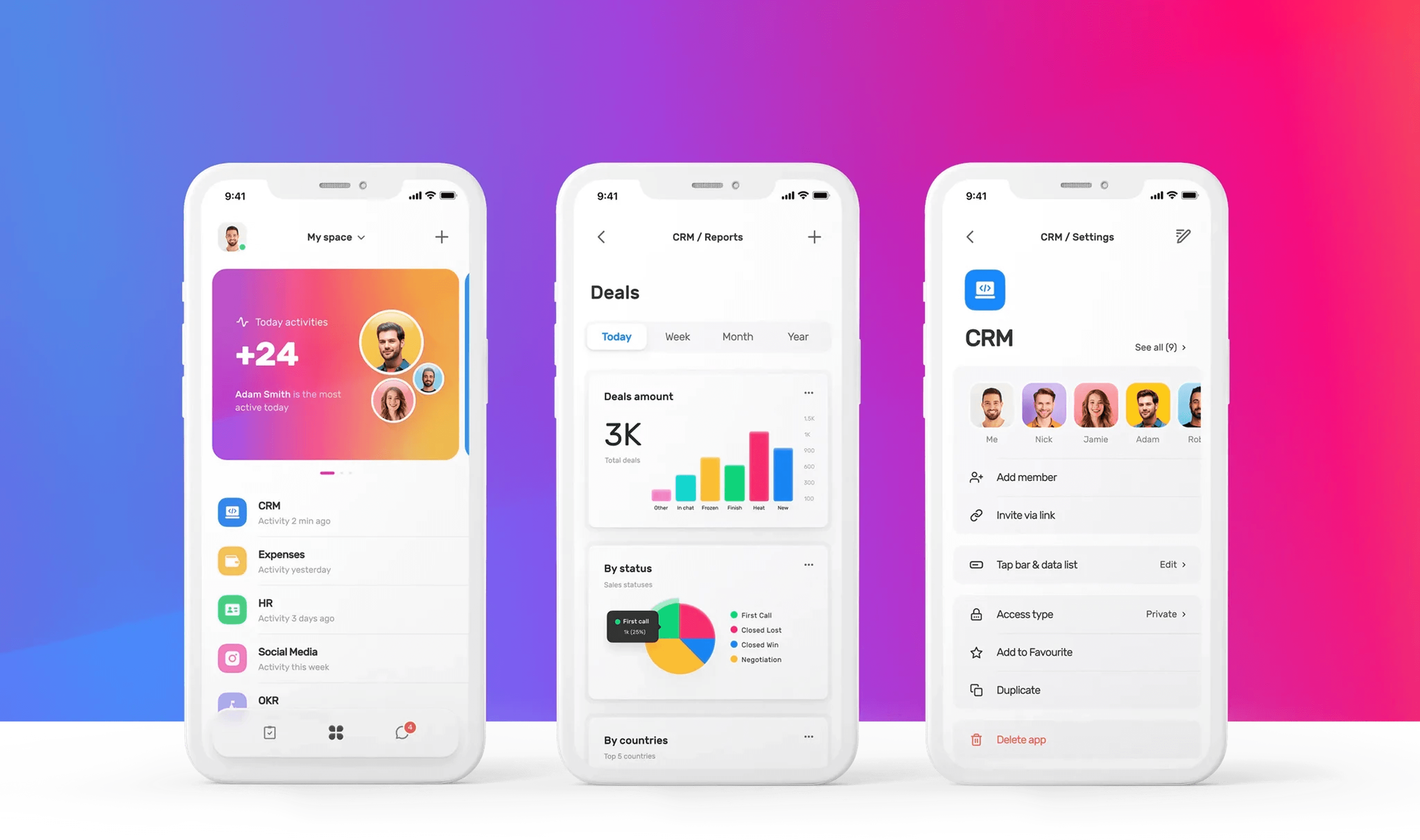
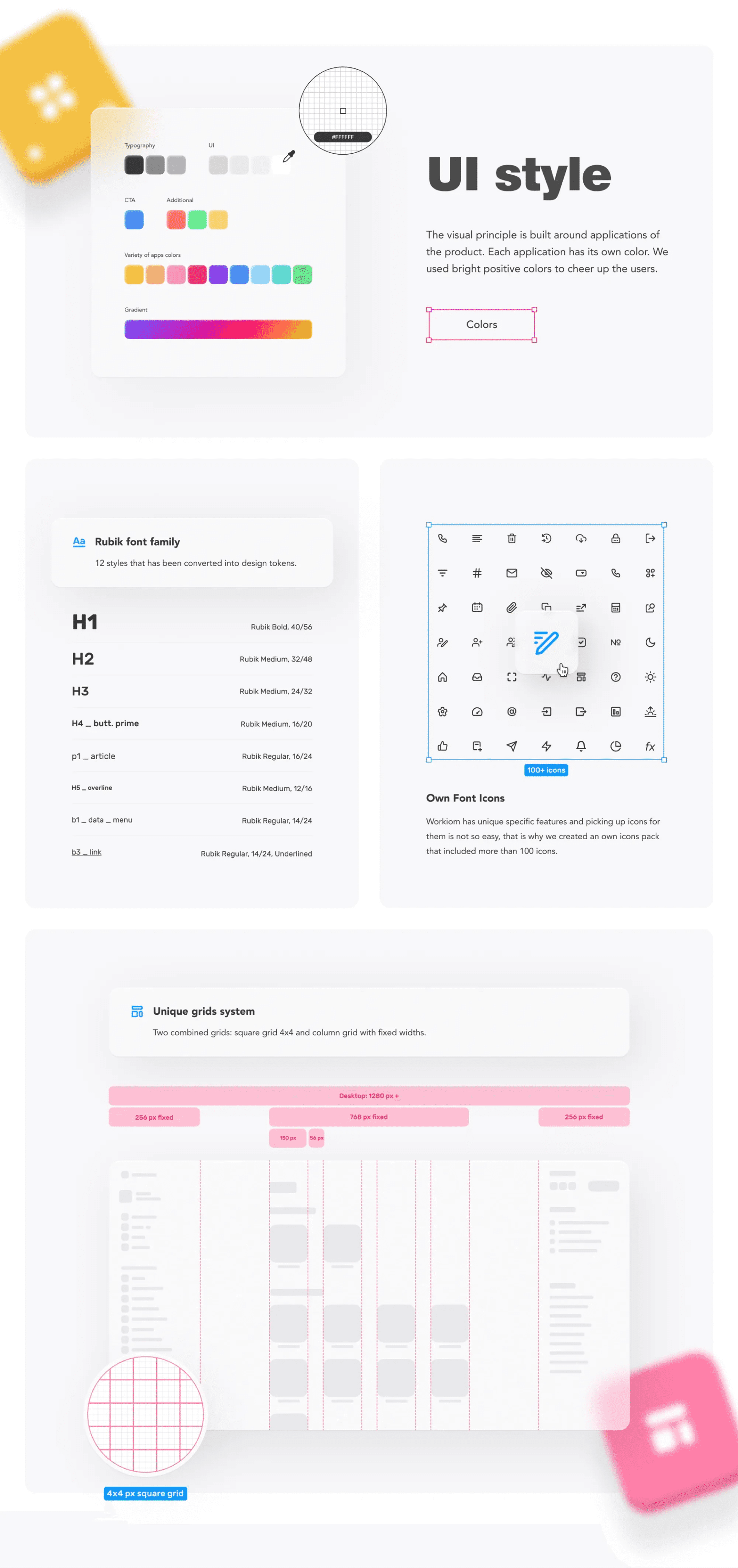
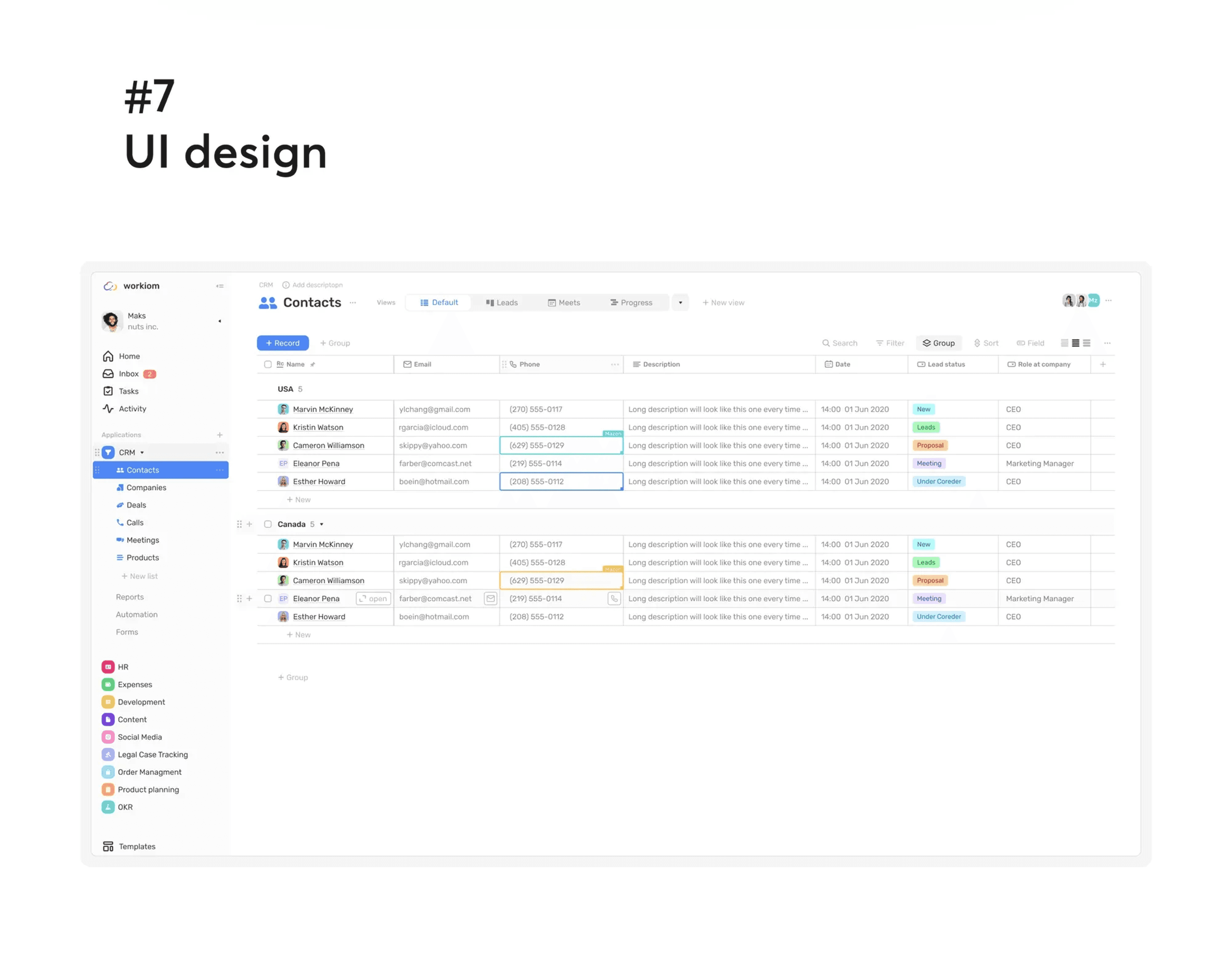
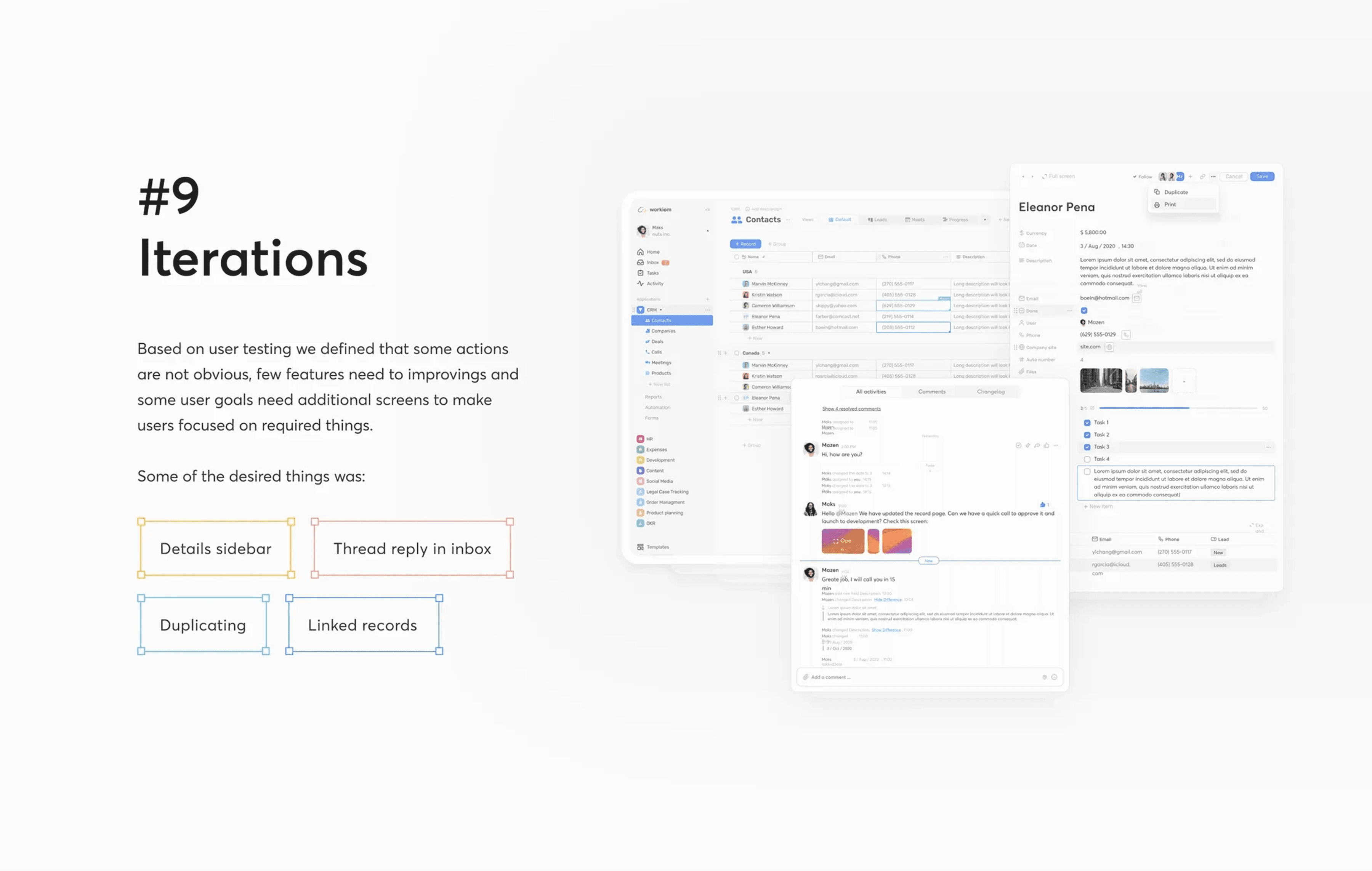
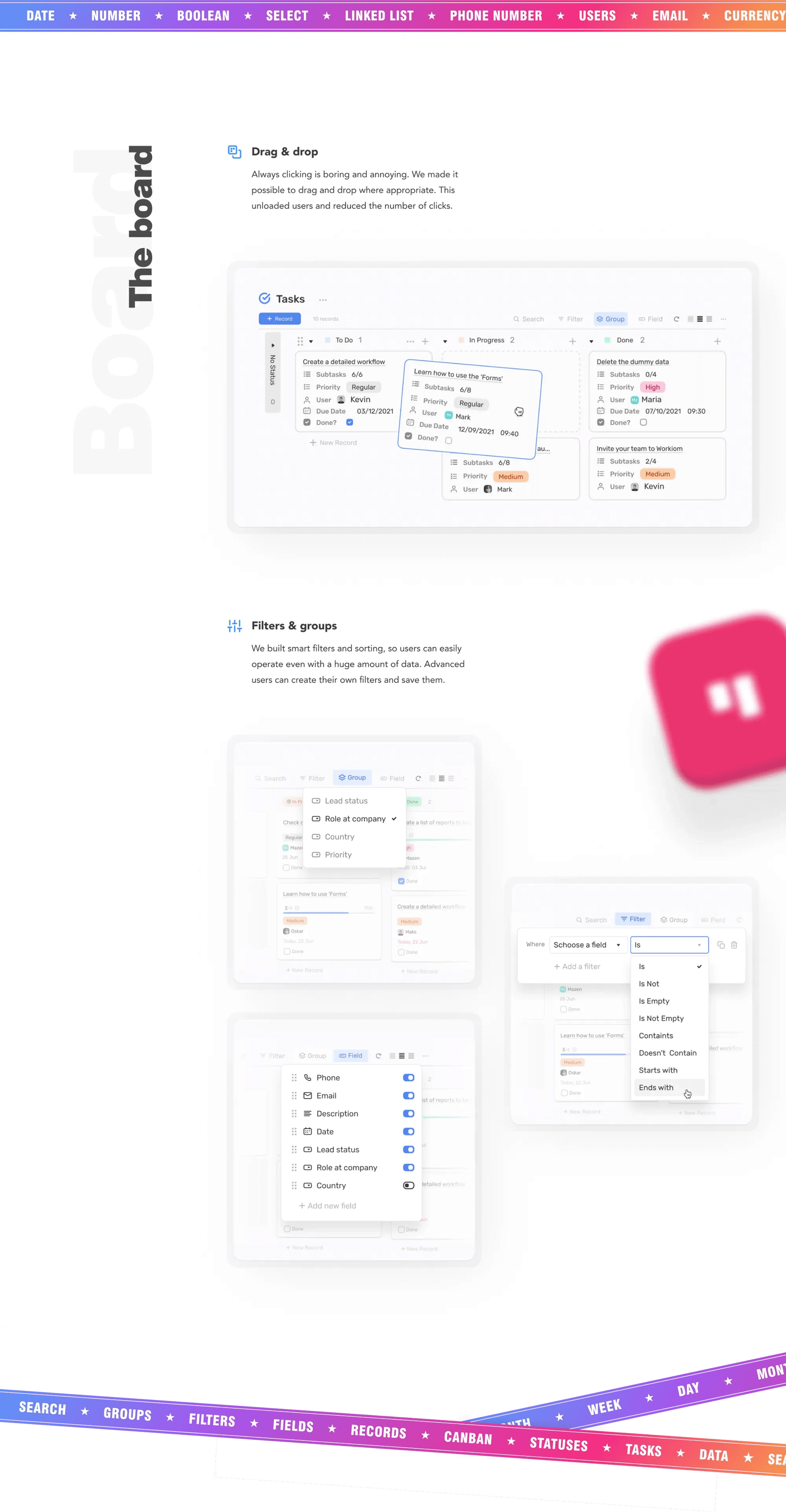
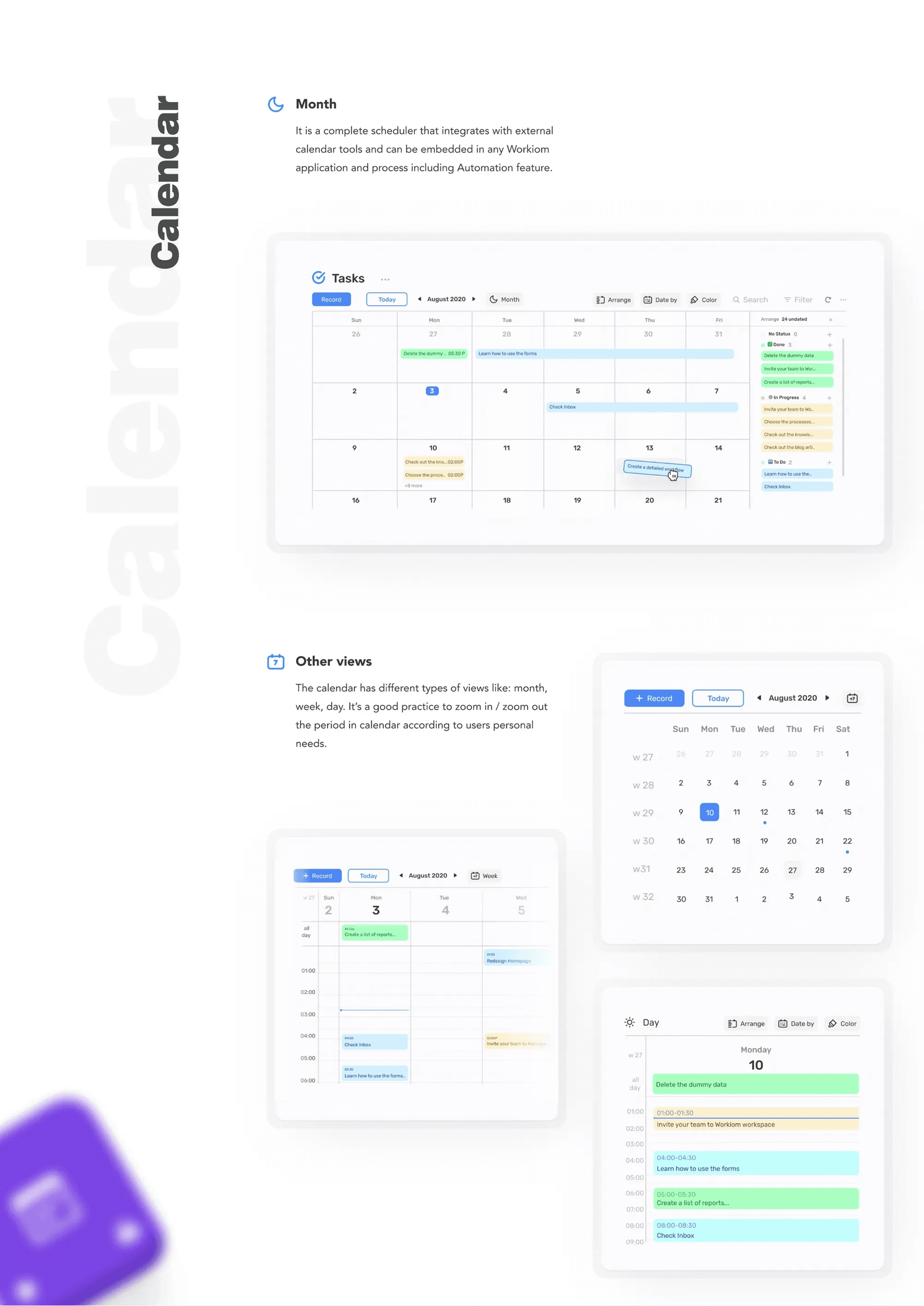
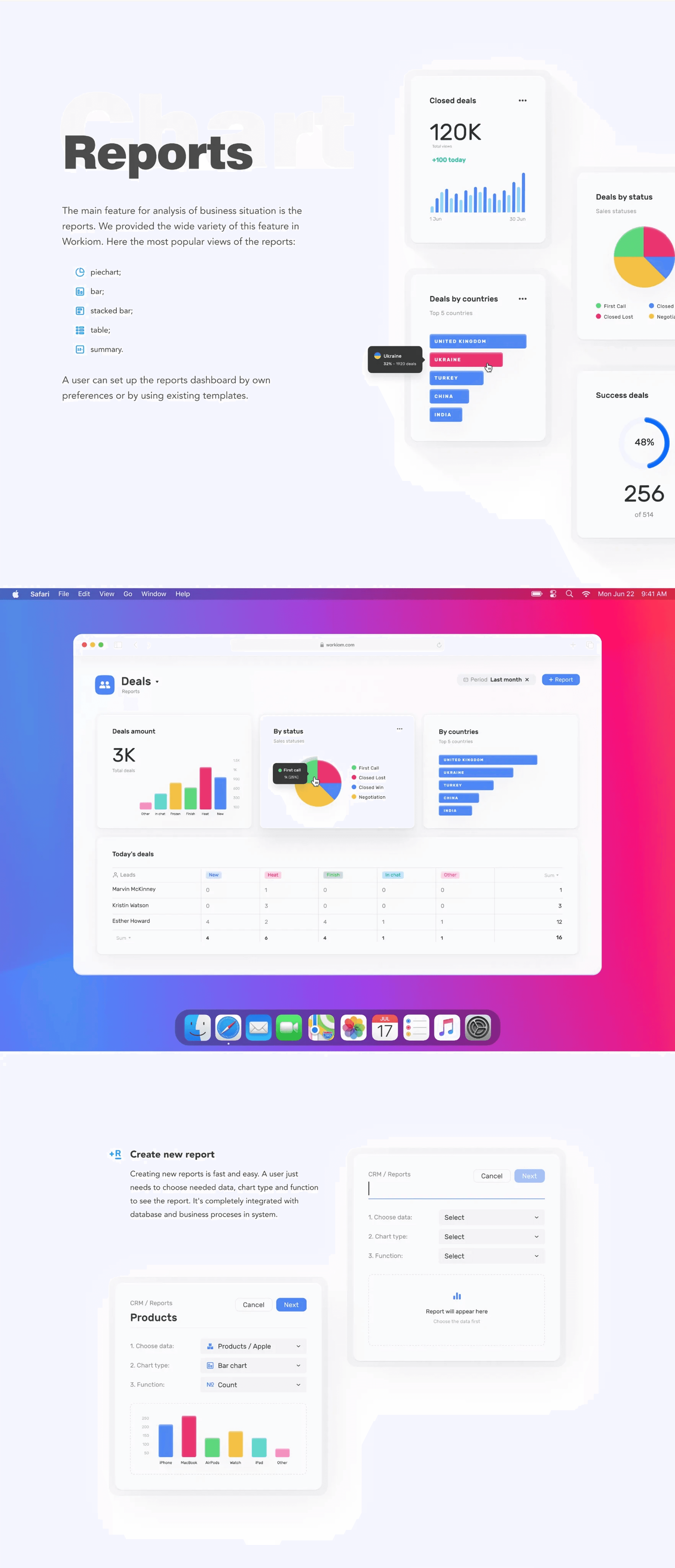
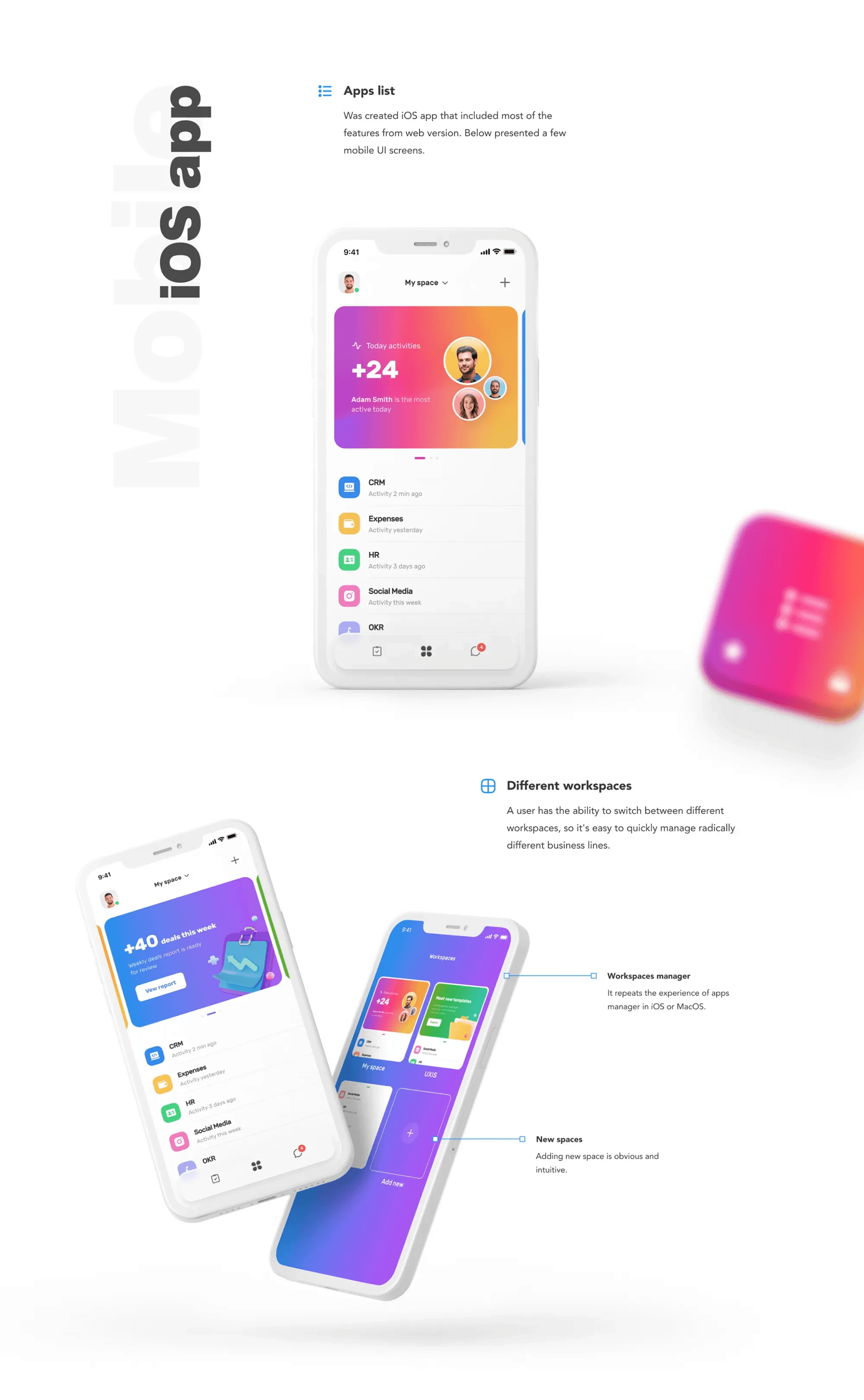
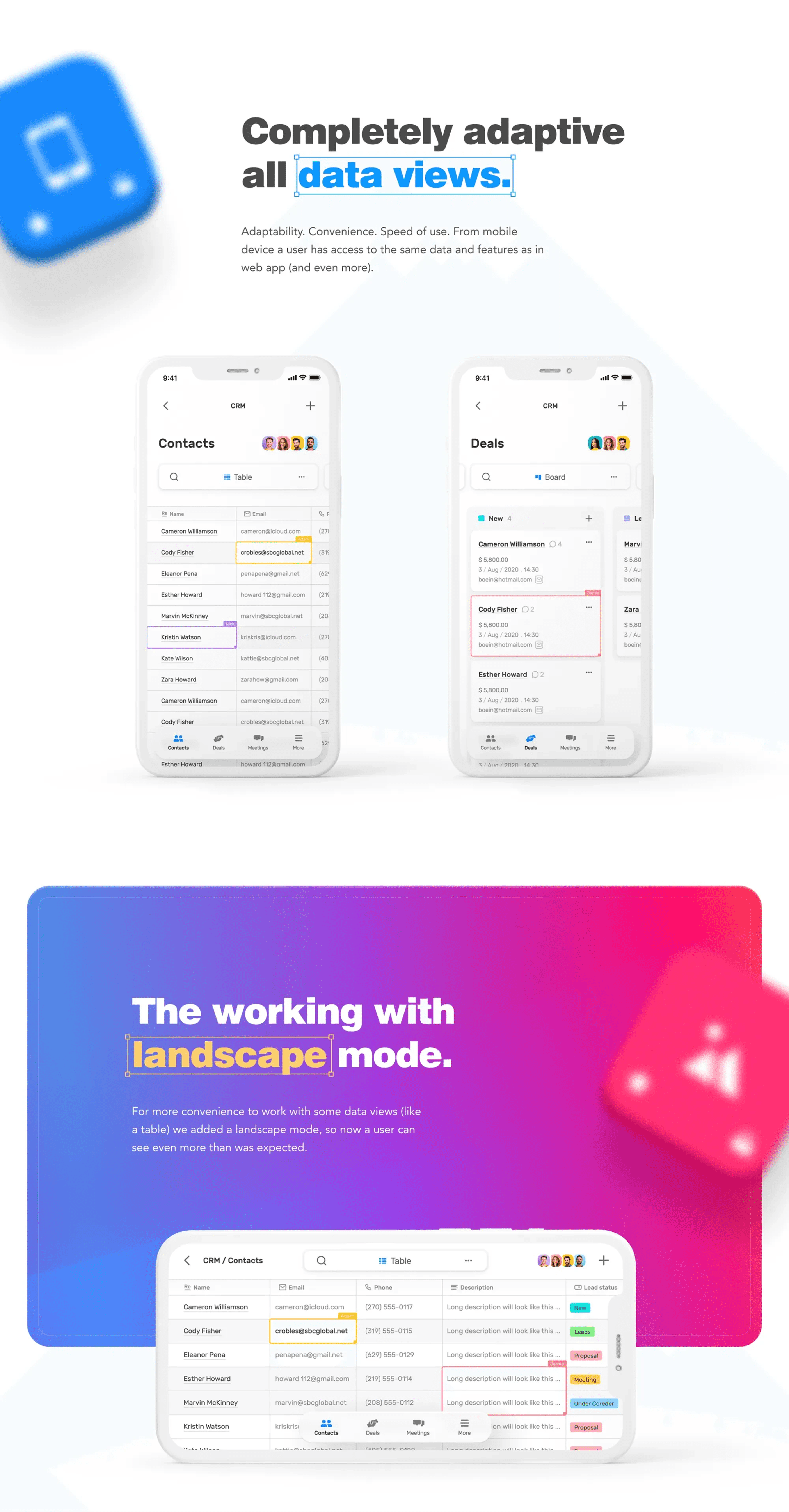
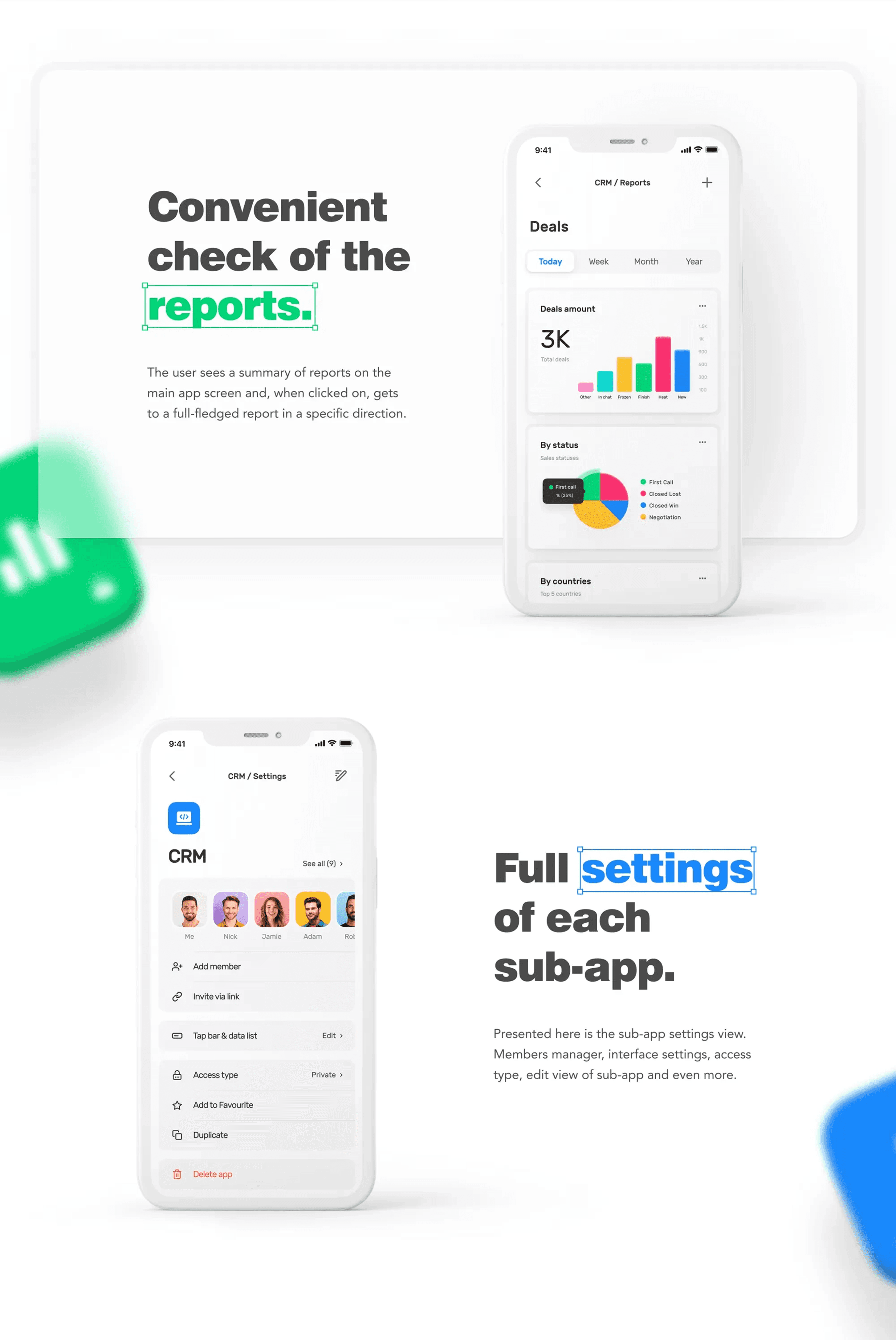
The redesign touched every part of the product. Navigation was restructured, visual hierarchy was rebuilt from scratch, and a scalable design system was put in place to ensure consistency moving forward.
SaaS
B2B
Role
Product Designer
Timeline
4 Months
team
3 Designers, 1 PM, 4 Engineers, 1 Data Analyst
platform
Web App
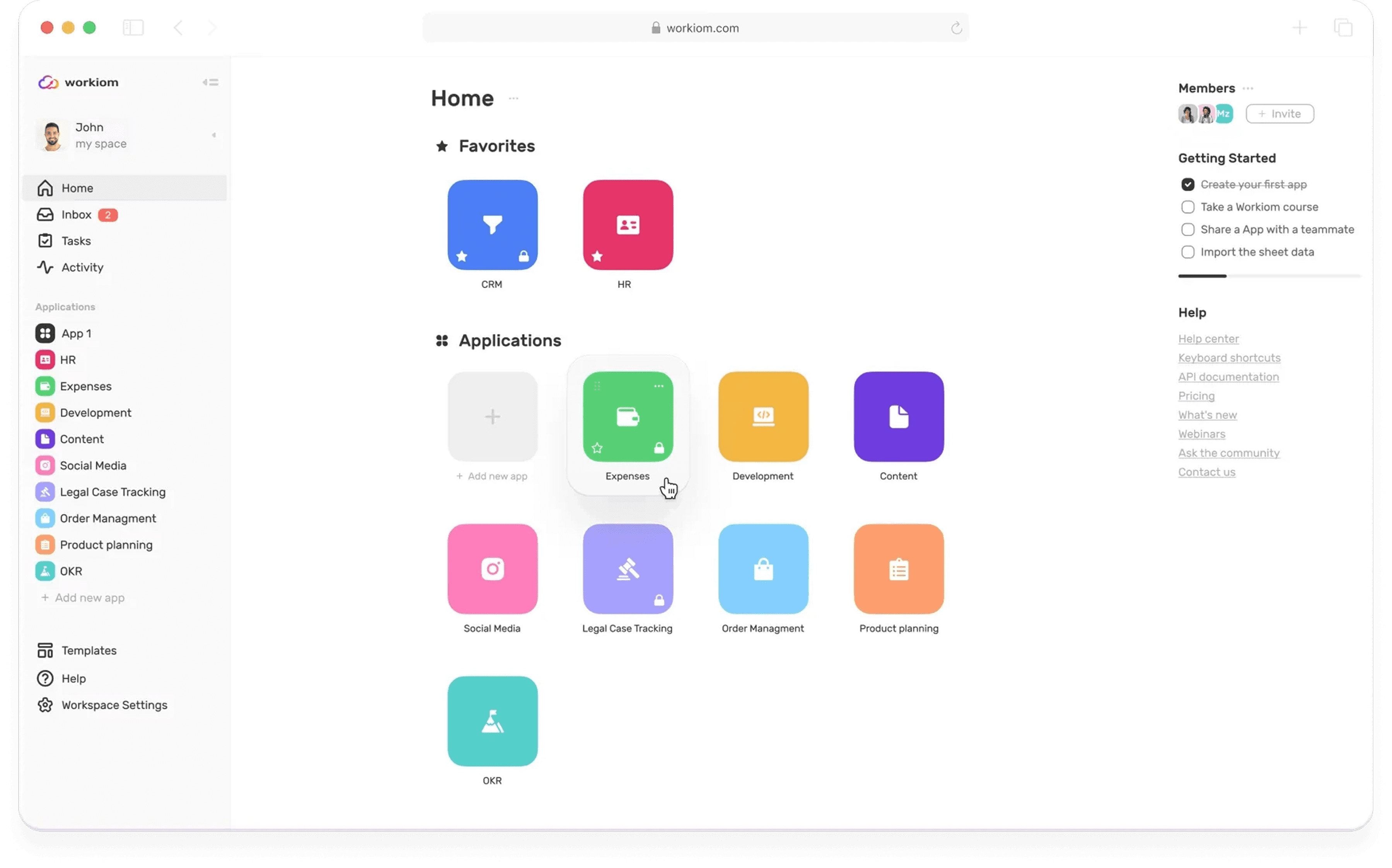
A powerful product that nobody enjoyed using
Workiom had everything a business needed. CRM, project management, dashboards, templates. But users kept leaving. The interface was outdated, data was scattered everywhere, and the navigation made simple tasks feel unnecessarily complicated. Customer satisfaction had dropped to 2.9 out of 5. Users were not struggling because the product lacked features. They were struggling because the product did not respect their time.
What changed after the redesign
2.9 → 4.8
Customer satisfaction score after launch
50%+
Increase in user engagement
35%
Reduction in design to development handoff time
The redesign touched every part of the product. Navigation was restructured, visual hierarchy was rebuilt from scratch, and a scalable design system was put in place to ensure consistency moving forward.
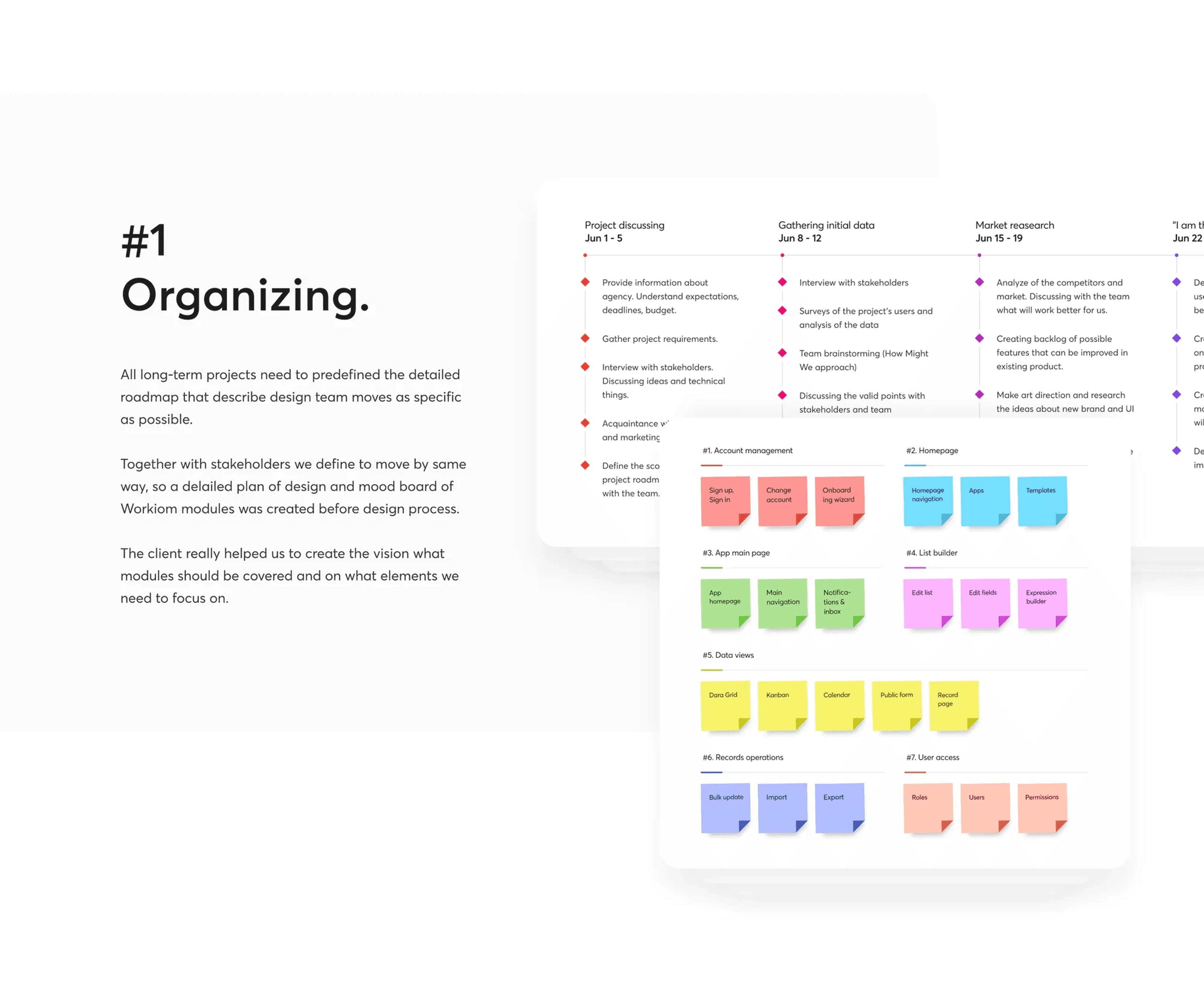
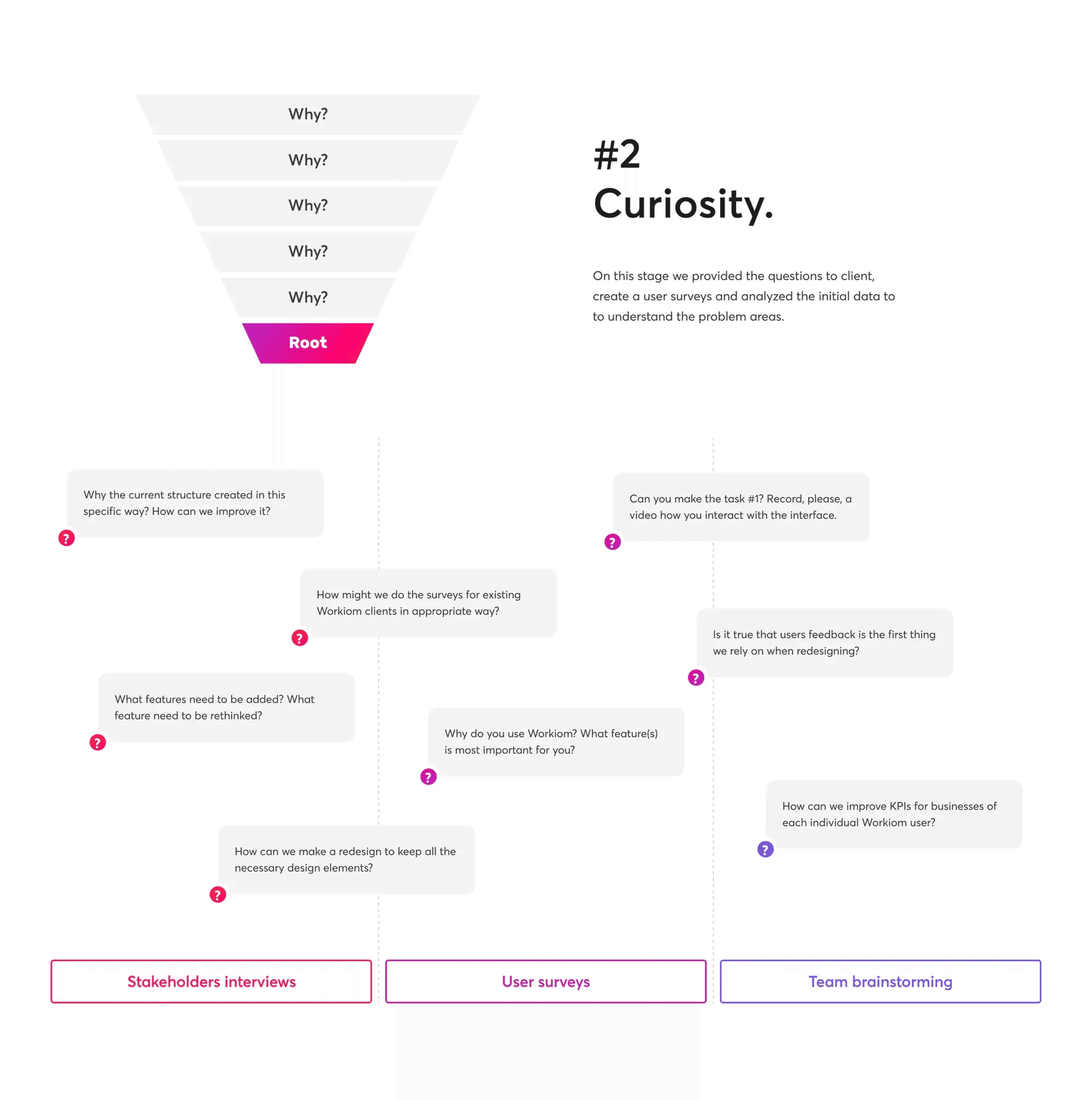
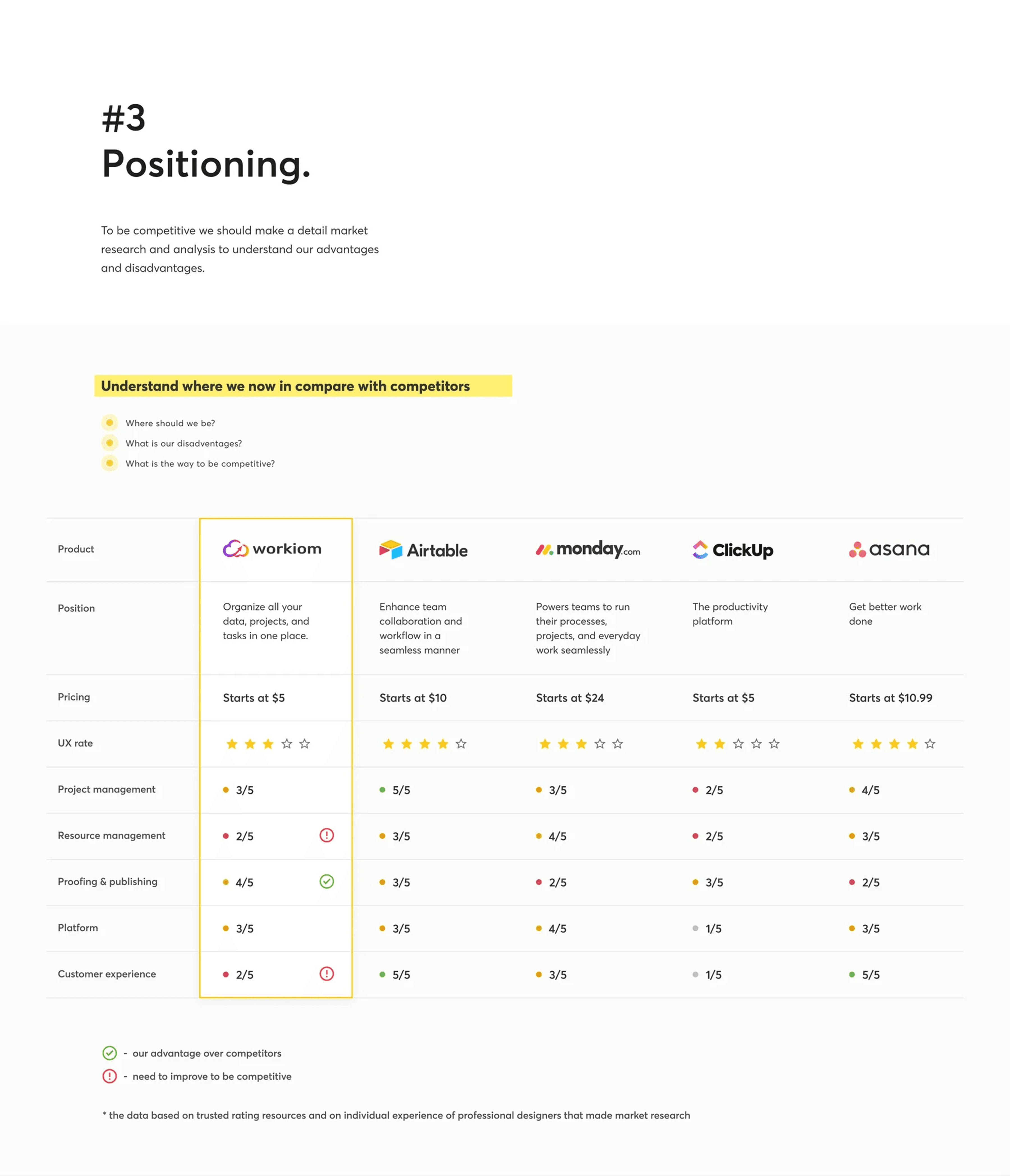
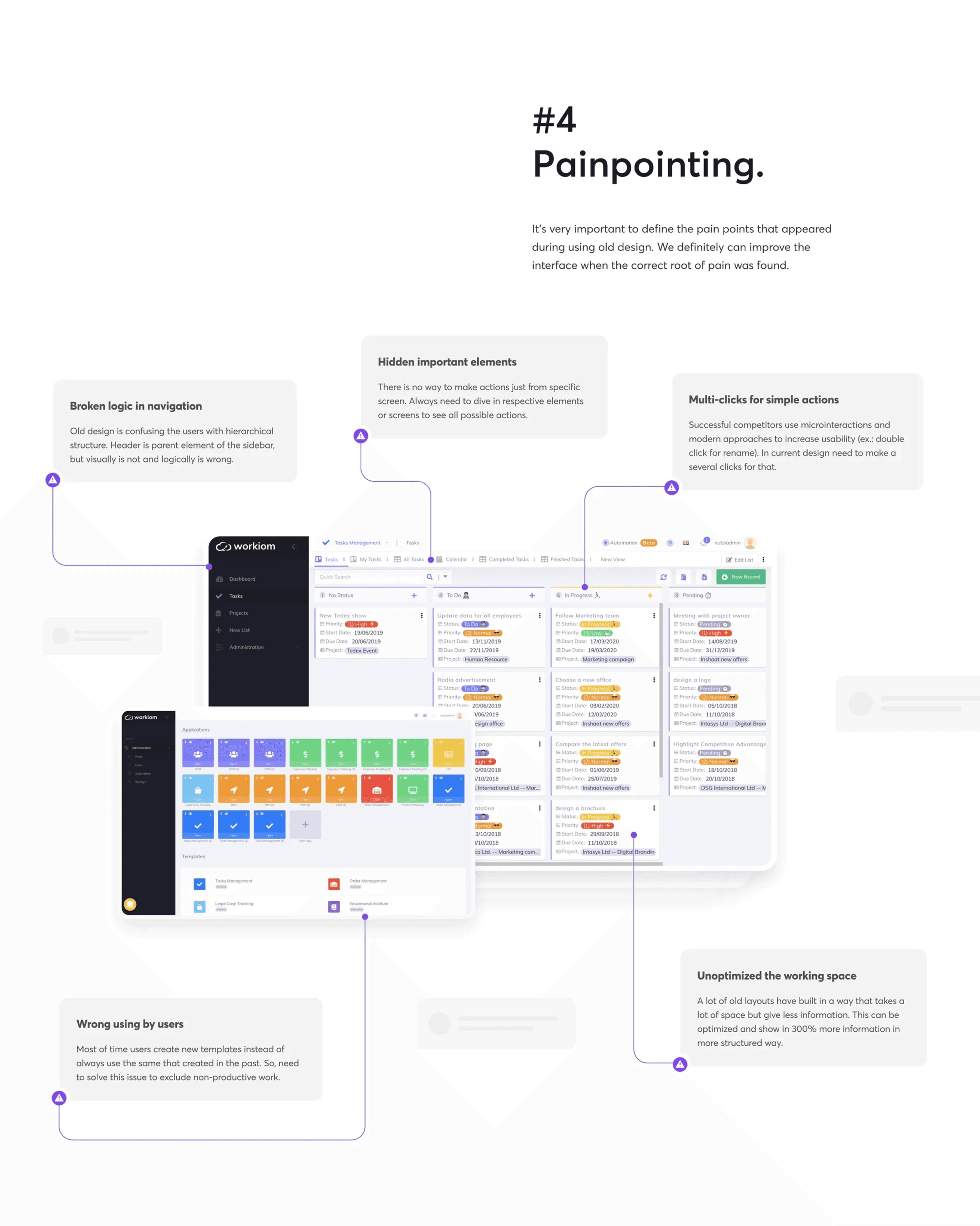
What Workiom taught me
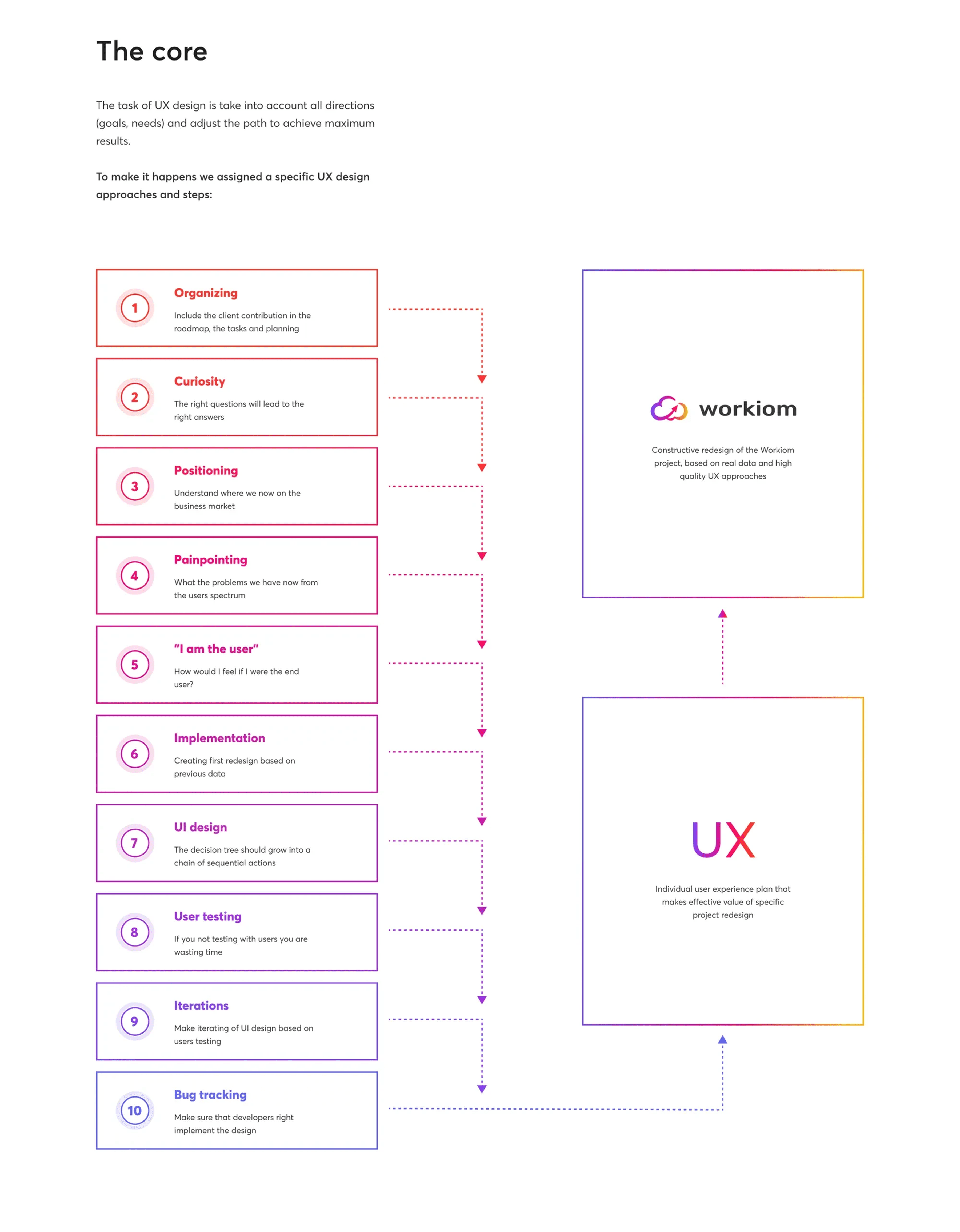
Four months, one complete overhaul, and a few lessons I did not expect.
1. Visual debt is real and it compounds
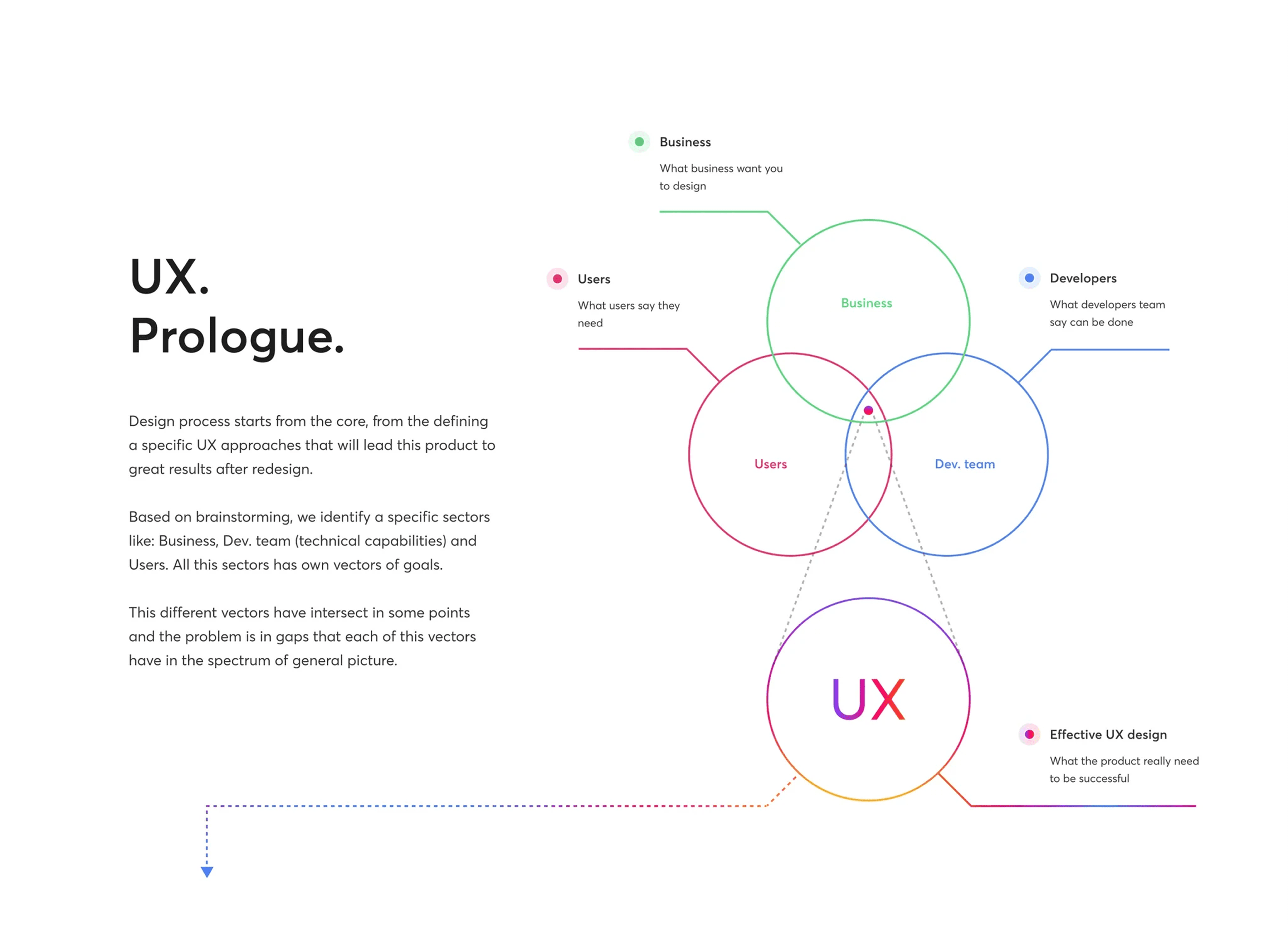
Workiom was not broken because of bad decisions. It was broken because of a hundred small decisions that made sense at the time and stopped making sense as the product grew. Outdated UI, inconsistent patterns, scattered data. None of it happened overnight. Cleaning it up taught me that design debt works exactly like technical debt. The longer you leave it, the more expensive it gets.
2. Users do not complain about what is actually broken
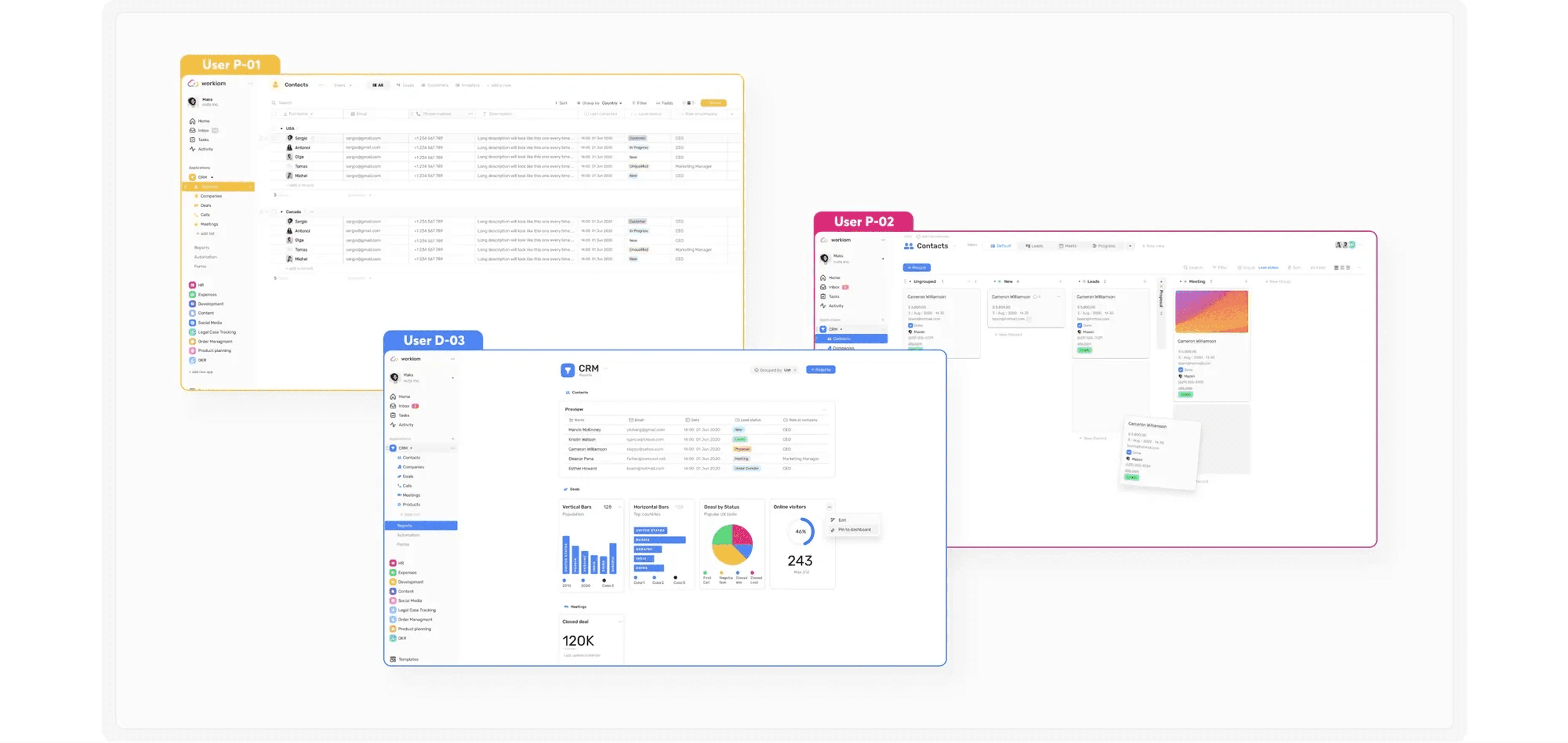
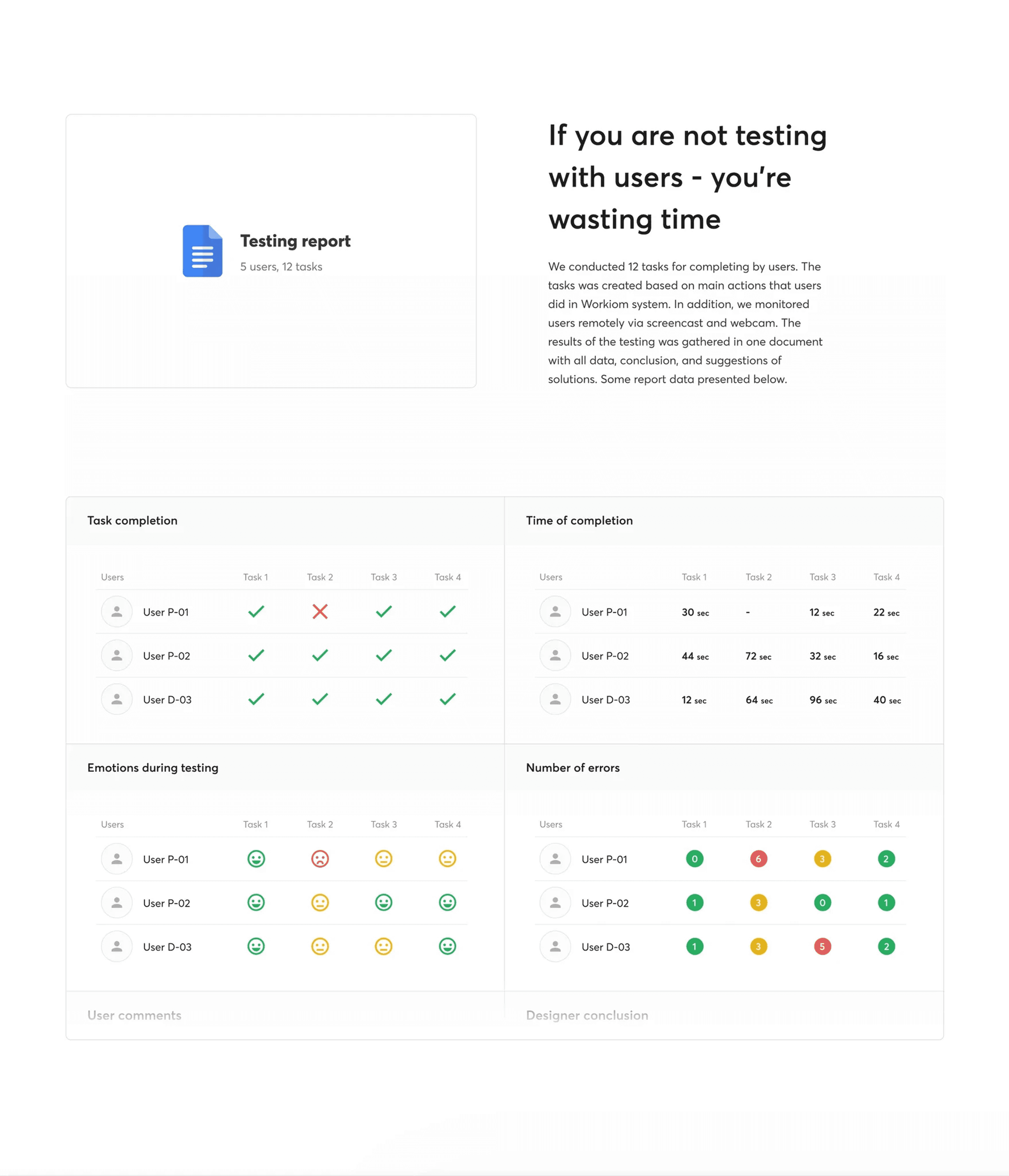
When we looked at user feedback, nobody said the navigation was confusing. They said the product was slow, or hard to learn, or not worth the price. The real problems were buried underneath the surface complaints. Getting to them required sitting with users and watching them struggle, not just reading what they wrote in support tickets.
3. A design system is not a deliverable, it is infrastructure
The design system we built for Workiom was not the end of the project. It was what made everything else possible. Consistent components meant engineers could move faster, designers could stay aligned, and the product could grow without falling apart visually. I used to think of design systems as a nice-to-have. Workiom convinced me they are the foundation, not the finish line.
4. Working in a team of three designers is a different discipline
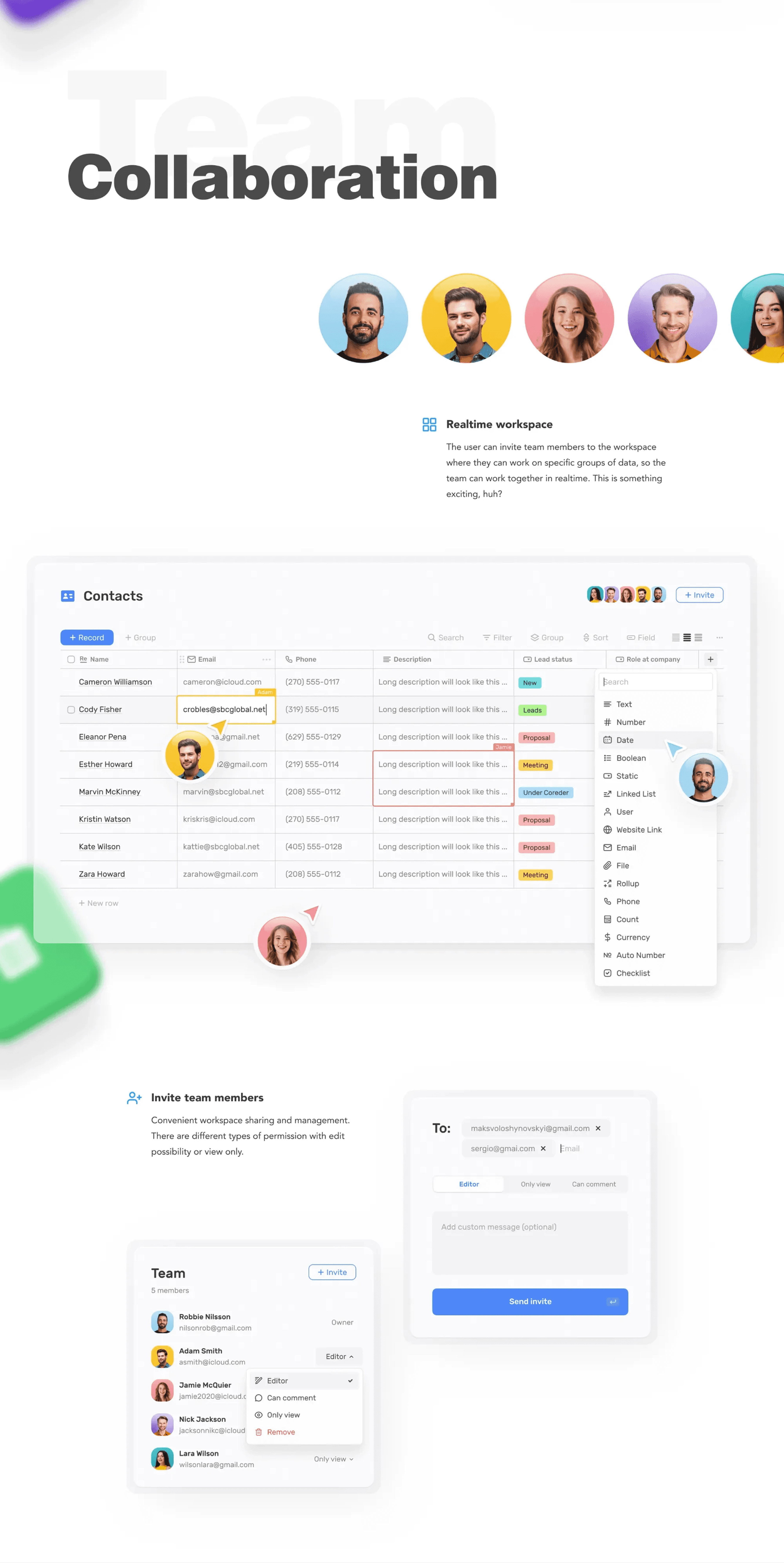
I am used to owning design end-to-end. At Workiom, three designers were working across the same product simultaneously. Staying aligned without stepping on each other required constant communication, clear ownership boundaries, and a shared system everyone trusted. The design system was as much a collaboration tool as it was a design tool.
5. What I would do differently
Workiom was not broken because of bad decisions. It was broken because of a hundred small decisions that made sense at the time and stopped making sense as the product grew. Outdated UI, inconsistent patterns, scattered data. None of it happened overnight. Cleaning it up taught me that design debt works exactly like technical debt. The longer you leave it, the more expensive it gets.